Independent guide · not affiliated with, or endorsed by, Antalya Airport (AYT)
Antalya Airport Departures
The board above is a live third-party feed, not the airport's own display. It is enough to see whether your flight is on time and roughly when to move, but the monitors inside the terminal are the operational truth — the gate in particular is published there and not here. This page covers what the board tells you, what it cannot, and the two things that actually decide your morning at AYT: which of the three terminals you fly from, and how much time to leave.
What this board shows, and what it does not
It shows scheduled and expected times and a status per flight, refreshed live. It does not show your gate, your check-in desk, or which terminal you are in. The airport publishes all three on its own screens, and it is specific about where: the monitors in the departure area carry flight details, while the monitors in the gate area show the actual gate. So use this page at the hotel to decide when to leave, and switch to the terminal's own monitors once you are inside the building.
Find your terminal before anything else
Antalya has three terminals. Terminal 1 and Terminal 2 both handle international flights; the Domestic Terminal handles flights within Turkey. The trap is that an airline is not tied to one building — carriers operate from either T1 or T2, and the same airline can use a different one on a different route or season. Your booking confirmation and boarding pass name the terminal, and the airport's own instruction is to check the flight monitors to find your airline's terminal. Getting this wrong costs the shuttle ride between buildings, which is exactly the time you thought you had spare.
Moving between the three terminals
Terminal 1 and the Domestic Terminal are linked by a short walkway, so moving between those two is a walk. Terminal 2 is separate and reached by a free inter-terminal shuttle that connects it to both. Build the shuttle into your plan rather than treating it as a formality: it runs on its own rhythm, not on yours, and it is the one leg of the journey you cannot speed up. If you arrive at the wrong building with a tight schedule, go straight to the shuttle rather than to a desk to ask.
How to read the status column
Scheduled means the airline's filed time with nothing new to report. Estimated or Delayed means a new time has been issued — that is the one to plan around, not the original. Gate closing and Final call mean the aircraft is nearly done boarding, and at that point walking speed matters more than any screen. Departed means it has gone. Cancelled means stop reading boards and contact the airline. A status that has not moved for a long time on a flight that is clearly late usually means the airline has not filed an update yet, not that nothing has changed.
Finding one flight on a busy board
In peak season this board is long. Search by flight number rather than by destination: the number is unique, while a destination can appear several times an hour with different carriers. The number is printed on your boarding pass and in your booking email, usually as two letters and up to four digits. If you booked through a tour operator or an agent, the number on your voucher may belong to a different carrier than the one operating the aircraft — a codeshare — so check both if the first one finds nothing.
When to be at the airport
The airport's own recommendation is to check in at least two to three hours before departure. Treat the upper end as the default in July and August rather than the cautious option: this is a leisure airport working at its seasonal peak, and the queue at the entrance screening and at the check-in desks is where the time goes, not the walk to the gate. If you are travelling with hold baggage, with children, or on a charter with a single desk bank, add to that rather than trimming it.
Once you are through security, the gate is close
This is the reassuring part, and it is the airport's own claim: all gates are close by, and it takes no more than five minutes to reach your gate from any shop or restaurant. So the anxious pacing at the gate an hour early buys nothing. What it means in practice is that the airside time is genuinely usable — the shops, the food and the lounges are not a detour from your gate, they are next to it. The time you must not spend is on the landside side of the checkpoint.
Why summer times move
Antalya is a leisure hub served by more than fifty airlines at the peak of the season, and much of that is charter traffic flying tight rotations — the same aircraft doing several legs a day. A delay picked up in the morning in northern Europe arrives here in the afternoon, which is why an evening departure can slip without anything happening at Antalya at all. It also means the estimated time can move more than once. Check the board again before you leave for the airport, not only the night before.
If your flight is delayed or cancelled
The board reports the fact; only the airline can do anything about it. Rebooking, meal vouchers, hotel and compensation are all the carrier's responsibility, and on a package holiday your tour operator may be the faster contact than the airline's call centre. Keep the boarding pass and any written notice of the delay — a claim later depends on being able to show what happened and when. Do not leave the terminal on the assumption of a long delay without telling the airline: a new time can be issued while you are away.
When the board and your airline disagree
Two sources, two different jobs. The terminal's own gate monitors are the operational answer to where the aircraft is boarding right now, and the airport says plainly that the gate-area monitors show the actual gate. Your airline's app or SMS is the contractual answer about your booking — a cancellation, a rebooking, a change of aircraft. When times differ, the newer one usually wins; when the gate differs, believe the screens in the building. If both disagree and the flight is close, find a person rather than refreshing.
Before you reach the checkpoint
Two rules cause most of the delay at screening, and both are settled before you leave the hotel. Liquids in hand luggage go in containers of no more than 100 ml, all inside one transparent re-sealable bag of at most 1 litre, sized 20 cm × 20 cm, one bag per passenger, presented separately from your cabin bag. And metal comes out: phones, computers, cameras, keys and coins into the trays, coats and belts off, children out of the stroller and the stroller folded. Sorting the liquid bag at home saves more time than arriving earlier does.
If you need a person, not a screen
There are information desks in each of the arrival and departure halls across all three terminals, and the staff there speak Turkish, English, German and Russian. In the gate areas of Terminal 1 and Terminal 2 there are also passenger information kiosks with video calling, which connect you to information staff without walking back out to a desk. During peak season the airport also puts terminal guides on the floor. For anything about your booking rather than the building, though, the airline desk is the right queue.
Frequently asked questions
Check your boarding pass or booking confirmation, and confirm against the flight monitors when you arrive — that is the airport's own instruction. Terminal 1 and Terminal 2 both handle international departures and airlines are not tied to one of them, so you cannot infer the terminal from the carrier. Flights within Turkey go from the Domestic Terminal.
The airport recommends checking in at least two to three hours before departure. In July and August treat three hours as the working figure rather than the cautious one: the time goes on the entrance screening and the check-in queue, not on the walk to the gate. Add more if you have hold baggage, children, or a charter flight sharing one bank of desks.
Because the gate is not published in the feed this board uses. The airport publishes it on the monitors in the gate area, which show the actual gate for each flight. Gates are also assigned late and can change, so a number shown hours ahead would be a guess. Once you are through security, read the monitors in the building.
No. This is a live third-party feed, useful for deciding when to leave for the airport. The screens inside the terminals are the airport's own, and they carry things this board does not: flight details in the departure area, the actual gate in the gate area, and on the arrivals side the baggage carousel number. Where the two differ, the building wins.
By the free inter-terminal shuttle. Terminal 1 and the Domestic Terminal are linked by a short walkway you can walk, but Terminal 2 is a separate building and the shuttle is the way between them. It runs to its own schedule, so if you have landed at the wrong terminal with a tight connection, head for the shuttle immediately rather than stopping to ask at a desk.
Try the number of the operating carrier rather than the one on your voucher: on a codeshare or a tour-operator booking those differ, and the board lists the flight that is actually flying. Check the date too, since a late-evening departure can sit on the next day's board. If neither finds it, the airline is the place to ask, not the airport.
Not long — the airport states that all gates are close by and that it takes no more than five minutes to reach your gate from any shop or restaurant. That is why the useful margin is on the landside side of the checkpoint. Once you are airside, sitting at the gate an hour early gains you nothing that a nearby café does not.
Related guides
Fast Track Security
Skip the long lines during peak season with Fast Track services. What is Fast Track? Fast Track allows you to use a dedicated priority lane…

Duty-Free Shopping Guide
Antalya Airport offers extensive Duty-Free shopping options for international travelers. Locations The main Duty-Free stores are located in…
Airport Lounges at Antalya Airport
Escape the crowds and relax in one of Antalya Airport's premium lounges before your flight. CIP Lounges There are CIP Lounges in both Termin…
How Early Should I Arrive at Antalya Airport?
To ensure a stress-free departure, it is crucial to arrive at the airport with plenty of time to spare. International Flights We recommend a…
Passport Control and Customs
Navigating passport control and customs at Antalya Airport is generally straightforward. Arrivals Have your passport ready. Depending on you…
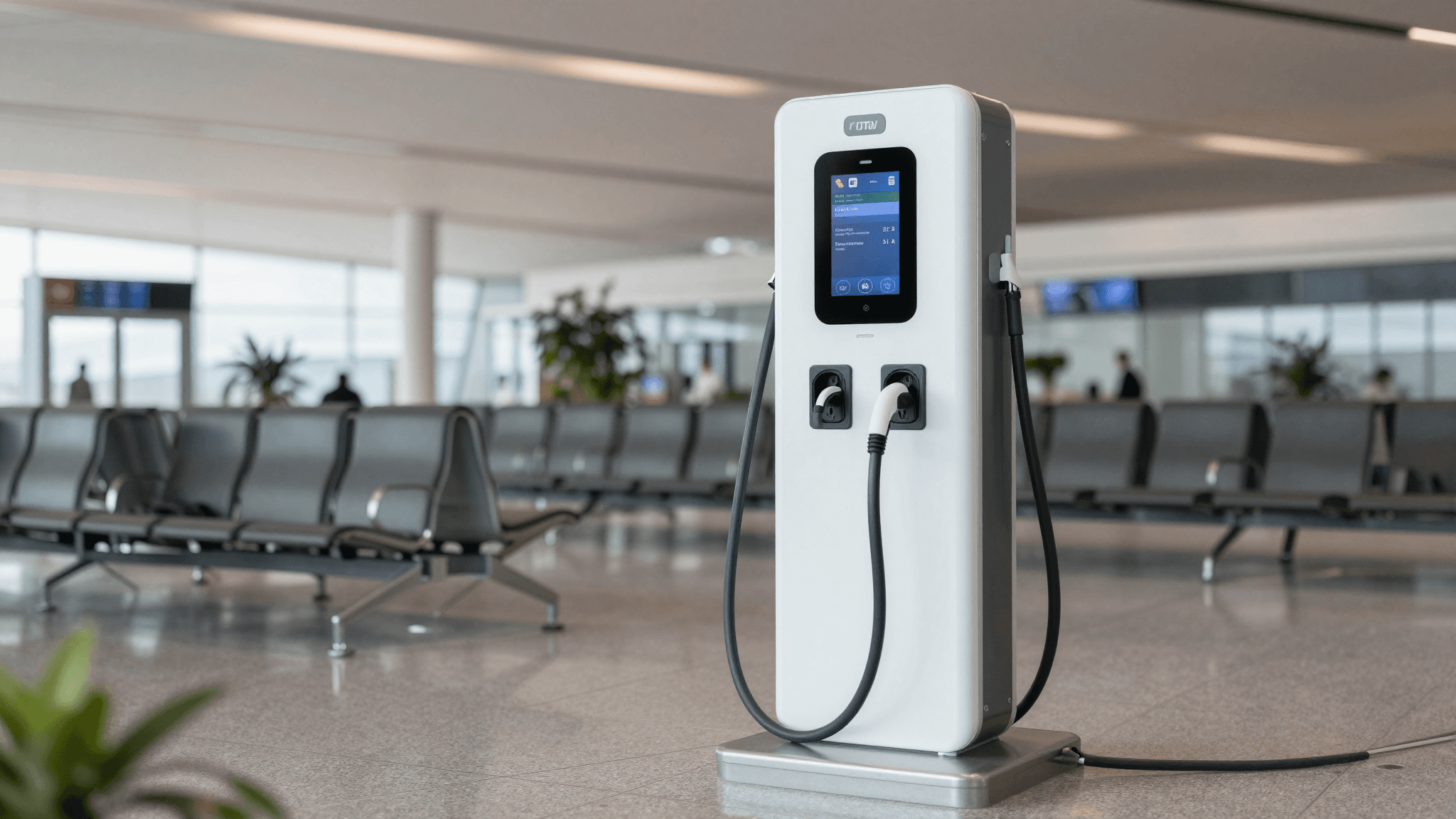
Charging Points and Power Sockets
Keeping your devices charged is essential for modern travel. Antalya Airport offers several options. Gate Areas You can find standard Europe…